




















How To Road-Trip Austin from Dallas 2.5 Hours
How to Road-Trip Austin from Dallas in 2.5 Hours Planning a road trip from Dallas to Austin is one of the most rewarding short getaways in Texas. With just a 2.5-hour drive along some of the state’s best highways, travelers can transition from the urban sprawl of North Texas to the vibrant, music-filled, food-centric heart of the Lone Star State. Whether you're a local seeking a weekend escape, a

How to Road-Trip Austin from Dallas in 2.5 Hours
Planning a road trip from Dallas to Austin is one of the most rewarding short getaways in Texas. With just a 2.5-hour drive along some of the states best highways, travelers can transition from the urban sprawl of North Texas to the vibrant, music-filled, food-centric heart of the Lone Star State. Whether you're a local seeking a weekend escape, a digital nomad looking for a change of scenery, or a visitor exploring Texas for the first time, mastering this route unlocks access to culture, cuisine, and natural beautyall within a manageable timeframe.
This guide is designed for travelers who want to optimize their journeynot just get from point A to point B, but experience the essence of Texas along the way. Well break down the logistics, reveal insider tips, recommend stops, and provide tools to make your 2.5-hour road trip smooth, memorable, and efficient. By the end of this tutorial, youll know exactly how to plan, execute, and enjoy a seamless Dallas-to-Austin road trip that feels more like an adventure than a commute.
Step-by-Step Guide
Step 1: Choose Your Departure Time
The single most impactful decision you can make for a successful road trip is when you leave. While the distance between Dallas and Austin is approximately 195200 miles, traffic can dramatically alter your travel time. To guarantee a 2.5-hour drive, aim to depart between 8:00 AM and 10:00 AM on weekdays. This window avoids the morning rush hour in Dallas and the midday congestion around Temple and Round Rock.
On weekends, leaving after 11:00 AM is ideal. Many locals head to Austin early on Saturday mornings, so departing later ensures you miss the peak outbound flow. If you're traveling on a holiday weekend, consider leaving Friday evening after 7:00 PM or Sunday after 3:00 PM to bypass the heaviest traffic.
Use real-time traffic apps like Google Maps or Waze before you leave. These tools will alert you to accidents, construction zones, or sudden slowdowns. A 15-minute delay due to an accident near Temple can easily turn your 2.5-hour drive into a 3.5-hour ordeal.
Step 2: Select Your Route
There are two primary routes from Dallas to Austin: I-35 and US-287/I-35 Business. The overwhelming majority of travelers take I-35 Southits direct, well-maintained, and the fastest option. However, for those seeking a slightly more scenic or less congested experience, alternatives exist.
Primary Route: I-35 South
This is the most efficient and commonly used path. It runs straight from Dallas through Fort Worth (if youre starting from the western suburbs), Temple, and Round Rock before entering Austin. The entire stretch is a controlled-access highway with frequent exits, gas stations, and rest areas. Expect a 2.5-hour drive under normal conditions.
Alternative Route: US-287 South to I-35 Business (Optional Detour)
For travelers who want to avoid the monotony of I-35 or are interested in small-town Texas charm, take US-287 South from Denton or Lewisville toward Hillsboro, then connect to I-35 Business near Temple. This route adds about 2030 minutes but offers a glimpse of rural Texasrolling farmland, historic towns, and local diners. Its ideal if you're traveling with children or photography enthusiasts.
Most GPS apps default to I-35, but you can manually select Avoid Highways or Scenic Route in Waze or Google Maps if you want to explore alternatives. Always verify the total time and distance before committing to a detour.
Step 3: Prepare Your Vehicle
A 200-mile journey is relatively short, but vehicle reliability is non-negotiable. Before you leave, perform a quick but thorough check:
- Tire pressure and tread: Use a tire gauge to ensure all tiresincluding the spareare inflated to the manufacturers recommended PSI. Look for uneven wear or cracks in the sidewalls.
- Fluid levels: Check engine oil, coolant, brake fluid, and windshield washer fluid. Low coolant can cause overheating, especially during summer.
- Brakes and lights: Test your brake responsiveness and ensure all headlights, brake lights, and turn signals are functioning.
- Emergency kit: Pack a flashlight, jumper cables, a first-aid kit, bottled water, non-perishable snacks, and a phone charger. Even on a short trip, breakdowns can happen.
If your vehicle is due for an oil change or inspection, schedule it before departure. A 2.5-hour drive on a hot Texas day puts stress on the engine, especially if its overdue for maintenance.
Step 4: Plan Your Stops
While the drive is short, strategic stops can elevate your experience. There are three ideal pit stops along I-35:
Stop 1: Fort Worth (if starting from North Dallas)
If youre departing from North Dallas or the suburbs, consider a quick stop in Fort Worths Cultural District. Grab a coffee at Revolver Coffee or a breakfast taco from Veracruz All Natural. The citys cowboy heritage and art scene make it a culturally rich prelude to Austin.
Stop 2: Temple (Mile Marker 145)
Temple is roughly halfway between Dallas and Austin. Its a practical spot to stretch your legs, refill your tank, and use restrooms. Visit Temple Coffee Roasters for locally roasted beans or grab a sandwich from El Charro Mexican Restauranta local favorite since 1968.
Stop 3: Round Rock (Mile Marker 185)
Just 15 miles north of Austin, Round Rock is a bustling suburb with excellent dining and shopping. Stop at Franklin Barbecues Round Rock location (yes, its a satellite, but still excellent) or enjoy a cold brew at Wanderlust Coffee Co. This is also where youll see signs for the Welcome to Austin archesyour cue to slow down and enjoy the transition into the city.
Pro tip: Avoid stopping in Austins downtown core until youve parked. Traffic entering the city can be intense, especially near the 35/Loop 1 interchange. Plan to stop before you reach the urban core.
Step 5: Navigate into Austin
Entering Austin can be overwhelming if youre unfamiliar with the layout. I-35 splits into two branches just before downtown: I-35E (east) and I-35W (west). For most visitors, the goal is to reach downtown, South Congress, or the University of Texas campus.
To reach downtown: Take Exit 222A (Cesar Chavez Street) or Exit 224 (Lamar Boulevard). Both lead directly into the heart of the city.
To reach South Congress (SoCo): Take Exit 224 (Lamar Blvd), then head south on Lamar. Turn right onto South Congress Avenue (S. Congress Ave) at the first major intersection.
To reach the University of Texas: Take Exit 226 (Martin Luther King Jr. Blvd), then follow signs to campus. Parking here is limitedconsider using a ride-share or public transit if possible.
Download the City of Austins official parking app, ParkATX, before arrival. It shows real-time availability at city garages and metered spots. Avoid street parking during weekday business hours unless youre certain of time limits.
Step 6: Set Your Destination
Before you leave Dallas, input your final destination into your GPS. Austin is a sprawling city with distinct neighborhoodseach with its own vibe. Popular areas include:
- Downtown: Lively, central, ideal for nightlife and festivals.
- South Congress (SoCo): Trendy boutiques, murals, food trucks, and live music.
- East Austin: Artistic, up-and-coming, known for street art and craft breweries.
- West Austin: Upscale, quieter, close to Zilker Park and Lady Bird Lake.
Set your destination to a specific addressnot just Austin. This prevents your GPS from dropping you at the wrong edge of the city. If youre staying at a hotel, use the exact street address. If youre meeting someone, confirm their exact location and cross streets.
Step 7: Arrive and Unpack Strategically
Once you arrive, avoid the temptation to immediately jump into exploring. Take 15 minutes to:
- Find secure parking.
- Charge your phone and devices.
- Review your itinerary for the day.
- Hydrate and stretch.
Many visitors arrive tired and immediately head to a popular spot like Barton Springs or Franklin Barbecueonly to find long lines. Plan your first activity based on opening times and crowd patterns. For example, Franklin Barbecue opens at 11 AM and often sells out by 3 PM. If you want brisket, arrive early.
Best Practices
Practice the 2-Hour Rule
For any road trip under 3 hours, aim to be on the road for no more than 2 hours of actual driving time. That means leaving early enough to account for traffic, stops, and delays. If you plan to arrive in Austin by 1 PM, leave Dallas by 10:30 AM at the latest. This buffer ensures youre not rushing and gives you flexibility if something unexpected occurs.
Use Voice Navigation
Mount your phone or GPS device where its visible but doesnt obstruct your view. Enable voice navigation so you can keep your eyes on the road. Say Navigate to [address] in Google Maps or Waze before you start driving. Avoid manually typing addresses while moving.
Download Offline Maps
Cell service can be spotty between Temple and Round Rock. Download the entire I-35 corridor from Dallas to Austin as an offline map in Google Maps or Maps.me. This ensures you wont get lost if you lose signal.
Charge Devices Before Departure
Ensure your phone, tablet, and any other devices are fully charged. Bring a dual-port car charger with USB-C and Lightning cables. Consider a portable power bank (10,000 mAh or higher) as backup. You dont want to be stranded without navigation or music.
Hydrate and Snack Smartly
Dehydration is common during Texas drives, even in cooler months. Bring a reusable water bottle and refill at rest stops. Pack protein-rich snacks like nuts, jerky, or granola bars. Avoid sugary snacks that cause energy crashes. Skip heavy meals before drivingthey can induce drowsiness.
Respect Speed Limits and Traffic Flow
Texas highways have speed limits of 7075 mph on I-35. While many drivers exceed this, staying within the limit reduces your risk of tickets and accidents. Use cruise control on long straightaways to maintain consistent speed and reduce fatigue.
Know the Weather
Texas weather changes rapidly. In summer, temperatures can exceed 100F. In winter, sudden ice storms can occurespecially north of Temple. Check the National Weather Service (weather.gov) for the latest forecast. Pack sunglasses, sunscreen, and a light jacket regardless of the season.
Respect Local Culture
Austin is known for its Keep Austin Weird ethos. Embrace the local vibe: tip well at food trucks, support small businesses, and avoid treating the city like a theme park. Dont block sidewalks with selfie sticks. Dont play loud music in parking lots. Be courteous. Austin residents value authenticityand they notice when visitors dont.
Tools and Resources
Navigation Apps
- Google Maps: Best for real-time traffic, estimated arrival times, and route alternatives.
- Waze: Community-driven alerts for police, accidents, and road hazards. Excellent for avoiding delays.
- Apple Maps: Reliable if youre an iPhone user. Integrates well with CarPlay.
Weather Tools
- NOAA Weather Radar (weather.gov): Official, accurate forecasts for Texas highways.
- AccuWeather: Hourly breakdowns and precipitation probabilities.
Parking Apps
- ParkATX: Official city parking app for Austin. Shows garage availability and rates.
- ParkMobile: Accepts payments at most city meters and some private lots.
Food and Drink Guides
- Austin Food & Wine Alliance: Official guide to local eateries and food trucks.
- Yelp: Filter by open now and top-rated to find quality spots.
- Food Networks Austin Eats: Curated list of iconic restaurants.
Music and Events
- Austin City Limits Live at The Moody Theater: Check schedules for live shows.
- Stubbs BBQ: Outdoor venue with free outdoor concerts on select nights.
- South Congress Avenue: Free live music almost every evening.
Emergency and Road Assistance
- Texas Department of Transportation (TxDOT): Visit txdot.gov for road closures, construction updates, and live traffic cameras.
- 511 Texas: Dial 511 from any phone for real-time traffic and road conditions.
Entertainment on the Road
- Spotify Playlists: Create a Texas Road Trip playlist with Willie Nelson, Gary Clark Jr., and The Chicks.
- Podcasts: Try The Daily for news or This American Life for storytelling.
- Books on Audio: Lone Star Nation by H.W. Brands offers historical context as you drive through Texas.
Real Examples
Example 1: The Weekend Escape (Dallas to Austin, Saturday)
Jessica, a marketing manager from Plano, leaves Dallas at 10:30 AM on a Saturday. She uses Waze, which reroutes her around a minor accident near Cedar Park. She stops at Temple Coffee Roasters for a cold brew and a breakfast sandwich. She arrives in Austin at 1:00 PM, parks at the Lamar Street Garage using ParkATX, and walks to South Congress. She shops at local boutiques, eats at Veracruz All Natural, and catches a free live set by a local band at 4 PM. She leaves Austin at 8 PM and arrives back in Dallas by 10:30 PMwell within her planned return window. Her trip was relaxing, productive, and memorable.
Example 2: The Business Trip (Dallas to Austin, Wednesday)
David, a software developer from Richardson, needs to attend a meeting in downtown Austin at 2 PM. He leaves at 10:45 AM, using Google Maps to monitor traffic. He avoids the lunch rush by taking a detour via US-183 South, which adds 10 minutes but saves him 25 minutes in congestion. He arrives at 1:30 PM, parks at the City Hall Garage, and walks to his meeting. He uses his 30-minute buffer to grab a quick lunch at Franklin Barbecues downtown location (yes, they have a satellite). He returns to Dallas at 6 PM and arrives home by 8:30 PM. His efficiency saved him stress and time.
Example 3: The Family Road Trip (Dallas to Austin, Summer Holiday)
The Ramirez familyparents and two kids aged 7 and 10leave Dallas at 7 AM on a Sunday. They pack snacks, books, and a portable DVD player. They stop at the Wild Basin Wilderness Preserve rest area near Round Rock, where the kids run around and use the restrooms. They arrive in Austin at 9:45 AM and head straight to Zilker Park. They rent paddleboats on Lady Bird Lake, picnic under the trees, and enjoy the Barton Springs Pool (open at 9 AM). They leave Austin at 5 PM and arrive home by 7:30 PM. The kids are exhausted but happy. The trip was planned, not chaotic.
Example 4: The Photography Trip (Dallas to Austin, Fall)
Michael, a landscape photographer from Irving, leaves Dallas at 5 AM to catch golden hour light in Austin. He takes US-287 South for the scenic route, stopping at historic farms and open fields near Hillsboro. He arrives in Austin at 8:15 AM and photographs the sunrise over the Texas State Capitol. He then heads to the Lady Bird Lake Hike-and-Bike Trail to capture reflections of the skyline. He returns via I-35, arriving back in Dallas by 3 PM. His photos are featured in a regional magazine. The extra time spent planning the route paid off creatively.
FAQs
Is 2.5 hours really enough time to drive from Dallas to Austin?
Yes, under normal conditionswith no accidents, no major construction, and no extreme weatherthe drive from Dallas to Austin is consistently 2.5 hours via I-35. Distance is approximately 195200 miles, and the highway is designed for high-speed travel. However, if you depart during rush hour or on a holiday weekend, expect 33.5 hours.
Whats the best time of year to drive from Dallas to Austin?
Spring (MarchMay) and fall (SeptemberNovember) offer the most pleasant weather and least traffic. Summer (JuneAugust) is hot and humid, with frequent thunderstorms. Winter (DecemberFebruary) can bring ice storms, especially north of Temple. Avoid holiday weekends like Memorial Day or Labor Day if you want a smooth trip.
Are there tolls on the route from Dallas to Austin?
There are no tolls on the main I-35 route. However, if you take the 183 Toll Road (a faster alternative from Round Rock to Austin), youll encounter tolls. For most travelers, I-35 is toll-free and preferable. Always check your GPS settings to avoid toll roads unless youre willing to pay.
Can I take a train instead of driving?
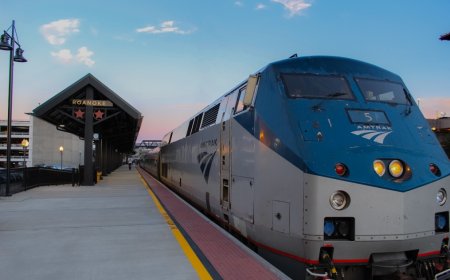
Amtraks Texas Eagle line runs from Dallas Union Station to Austin, but the journey takes 5.56 hours and only operates once daily. Driving is significantly faster, more flexible, and often cheaper when you factor in parking and ticket prices.
What should I do if my car breaks down on I-35?
Pull over to the shoulder, turn on hazard lights, and stay inside your vehicle if safe. Call 511 or TxDOT for assistance. Texas has roadside assistance services stationed along I-35. If you have a membership with AAA or your insurance includes towing, use that service. Never attempt to fix a vehicle on the highway without proper safety gear.
Is it safe to drive from Dallas to Austin at night?
Yes, I-35 is well-lit and patrolled. However, nighttime driving increases the risk of wildlife crossings (especially deer) and drowsy driving. If youre driving after dark, ensure your headlights are clean, reduce speed slightly, and take breaks if you feel fatigued.
Whats the most Instagram-worthy stop between Dallas and Austin?
Many travelers stop at the I Love You So Much mural on South Congress Avenue in Austinbut thats in the city. En route, the best photo op is the Welcome to Texas sign at the DallasFort Worth airport, or the rolling farmland near Temple at sunset. For a quirky shot, take a photo with the giant Austin arches on I-35 as you enter the city.
Can I bring my dog on this road trip?
Absolutely. Many restaurants in Austin have pet-friendly patios, and parks like Zilker and Lady Bird Lake welcome dogs. Ensure your pet has water, a leash, and a carrier if needed. Bring a towel for muddy paws and check pet-friendly hotel policies in advance.
How much does gas cost on this route?
Gas prices vary, but as of 2024, expect to pay $2.90$3.30 per gallon on I-35. A full tank (1520 gallons) will cost $45$65. Fill up in Dallas if prices are lower therefuel tends to be slightly more expensive in Austin.
Whats the 1 mistake people make on this road trip?
Underestimating Austin traffic. Many assume that because the drive is short, the city will be easy to navigate. But Austins downtown, especially around 6th Street and South Congress, is congested, and parking is limited. Always plan your parking spot before arrival. Dont assume you can just circle around.
Conclusion
The journey from Dallas to Austin in 2.5 hours is more than a simple transferits a cultural bridge between two of Texass most dynamic cities. Dallas offers corporate energy and Texan grandeur; Austin delivers creativity, rhythm, and natural beauty. By following the steps outlined in this guide, you transform a routine drive into a purposeful, enjoyable experience.
Success on this road trip hinges on preparation: choosing the right departure time, selecting the optimal route, preparing your vehicle, and knowing where to stop. Its about respecting the road, the weather, and the communities you pass through. Its about arriving not just on time, but in the right mindset.
Whether youre chasing live music, artisanal tacos, or simply a change of pace, this route delivers. Use the tools, learn from real examples, and apply the best practices. Dont rush the journey. Let the Texas landscape unfold outside your windowthe rolling hills, the wide skies, the distant hum of country music.
When you arrive in Austin, take a breath. Walk barefoot on the grass at Zilker Park. Taste the smoke from a brisket pit. Listen to a street musician play a song youve never heard. This 2.5-hour drive isnt just about getting there. Its about remembering why we travel at all.