

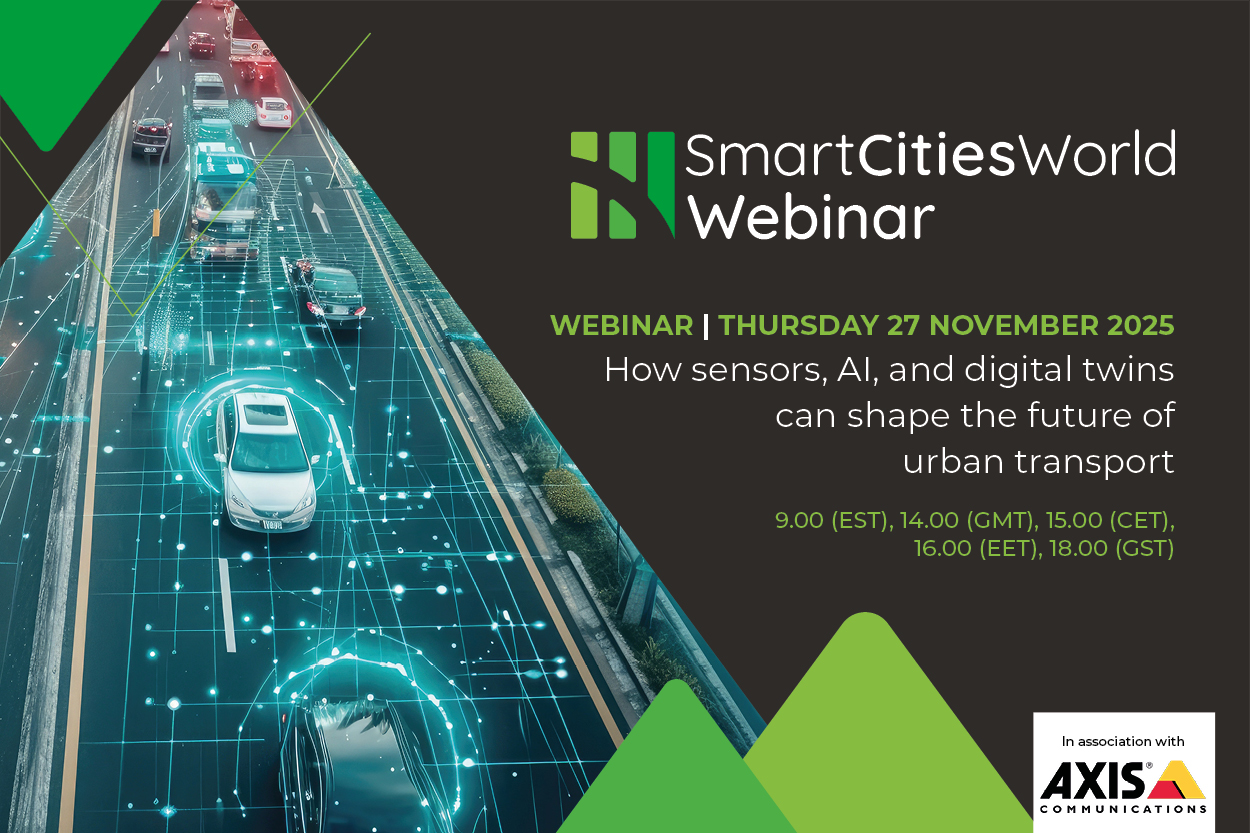
The future of urban transport is being significantly influenced by cutting-edge technologies such as sensors, artificial intelligence (AI), and digital twins. These innovations are transforming how cities approach infrastructure resilience and sustainability, ultimately leading to smarter and more efficient urban environments.
As part of ongoing discussions on urban development, an on-demand panel discussion titled 'AI for Resilient Infrastructure' highlighted the importance of sustainable operations for future-ready cities. Experts gathered to explore how these technologies can empower urban planners and decision-makers to create more adaptable and robust transport systems.
One of the key takeaways from the panel was the critical role of sensors in gathering real-time data. By deploying sensors throughout the urban landscape, cities can monitor traffic patterns, environmental conditions, and infrastructure health. This data is invaluable for making informed decisions that enhance operational efficiency and improve the overall quality of life for residents.
Leveraging AI for Smart Transport Solutions
Artificial intelligence is at the forefront of this technological shift. AI algorithms can analyze vast datasets collected from sensors, identifying trends and predicting future demands on transport systems. For instance, AI can optimize traffic signals to reduce congestion, improve public transport scheduling, and enhance the safety of road users. By utilizing AI, cities are not only improving current transport systems but are also preparing for future challenges, including population growth and climate change.
Digital Twins: A Game Changer for Urban Planning
Another significant innovation discussed in the panel was the concept of digital twins. A digital twin is a virtual model of a physical asset, in this case, urban transport infrastructure. By creating a digital twin of the city’s transport network, urban planners can simulate various scenarios to better understand how changes will affect the system as a whole. This proactive approach allows for more strategic planning and investment, ultimately leading to more resilient urban transport networks.
Moreover, the on-demand COP30 Webinar titled 'Unlocking Climate Finance: Building City Capacity and Partnerships' underscored the urgent need for cities to secure funding for these initiatives. The panelists emphasized that partnerships between government entities, private sectors, and non-profits are essential for mobilizing climate finance. By collaborating, cities can build capacity and develop the necessary infrastructure to support sustainable transport solutions.
Daily and Weekly SmartCitiesWorld Newsletters
In addition to these discussions, subscribers can stay updated through daily and weekly newsletters focused on smart city developments. These newsletters include the latest news items, city interviews, special reports, and guest opinions, providing a comprehensive overview of trends in urban transport and infrastructure.
As cities continue to evolve, the integration of sensors, AI, and digital twins will be crucial in shaping the future of urban transport. By embracing these technologies, urban planners can create resilient and sustainable transport systems that meet the demands of a growing population while addressing climate challenges.
In conclusion, the combination of innovative technologies and collaborative efforts in climate finance presents a unique opportunity for cities worldwide. As urban areas strive to become more adaptive and future-ready, the role of advanced technologies in transport will be pivotal in achieving these goals.
Source: Smart Cities World News